In scenarios such as urban infrastructure construction, power line installation, and municipal engineering, large cranes and other lifting machinery are frequently in operation. However, factors such as dense high-voltage lines, limited operational visibility, and complex environmental interferences make crane contact with high-voltage lines a high-risk safety hazard. According to industry statistics, crane near-electricity electrocution accidents account for 15% to 20% of all high-altitude operation accidents. These incidents not only threaten the lives of operators but also may lead to a series of losses including power grid short circuits, equipment damage, and project delays.
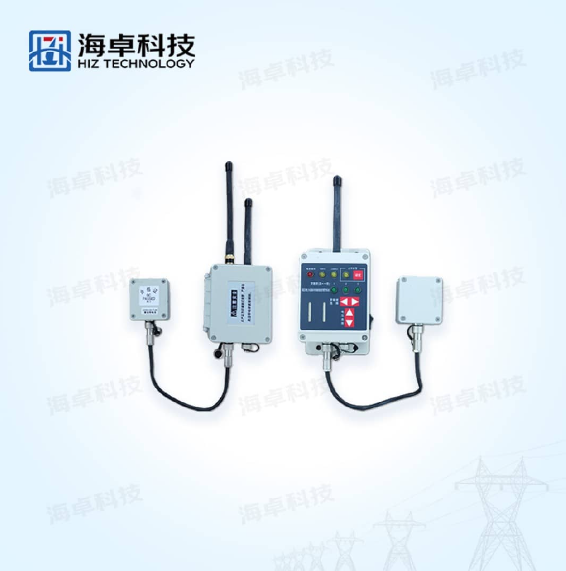
The HIZ-SD-JD vehicle anti-electric shock alarm is an intelligent safety device specifically designed for large-scale construction machinery such as cranes, tower cranes, and hoists. It aims to prevent electric shock accidents caused by the machinery being too close to high-voltage power lines. The device can issue risk warnings without physical contact with the high-voltage lines, and is vividly referred to as an "electronic fence" in high-voltage operation scenarios within the industry.
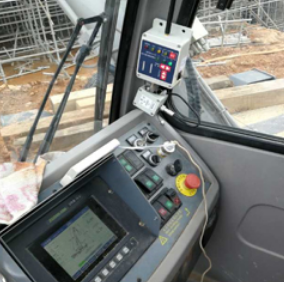
The vehicle anti-electric shock alarm system adopts non-contact electromagnetic induction technology as its core detection principle, and determines the distance by detecting the strength of the power frequency electric field around high-voltage transmission lines. The device is built on a high-precision electric field sensing + 2.4G wireless communication architecture. The front-end detection unit is installed at key positions on the crane boom (usually at the top of the boom), and is equipped with a high-sensitivity electric field sensor to capture real-time changes in the electric field strength around high-voltage lines. It supports custom settings for voltage levels from 10kV to 500kV, adapting to different power grid environments. The intelligent early warning unit at the receiving end is installed in the vehicle's cockpit or a prominent instrument position, receiving data from the detection unit via wireless signals and triggering sound and light alarms when a danger is detected.