With the enhancement of wildlife protection awareness and the gradual improvement of the ecological environment, the number of the first-class national protected animal, the Oriental White Stork, has been steadily increasing. However, their habits have brought a "big trouble" to the line operation and maintenance personnel responsible for maintaining the safety of the power grid. These birds, which prefer to perch at high places, tend to build their nests and breed on the towers of high-voltage power lines, posing a serious challenge to the safety of the power grid. The droppings of the Oriental White Stork are acidic and have a certain degree of conductivity. If they accumulate on the insulator strings for a long time, it can easily cause line discharge and tripping. In addition, the nests built on the towers are prone to be blown onto the conductors or suspension insulators by the wind, causing short-circuit and grounding faults, which seriously threaten the safe and reliable power supply of the lines.
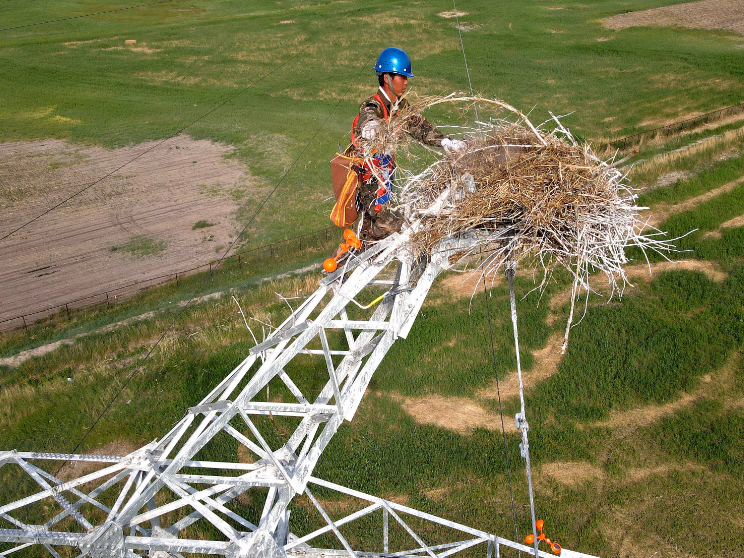
As a first-class national protected animal, the Oriental White Stork is strictly prohibited from being harmed. The traditional "chase them away" rough bird control mode is not only ineffective but may also violate the relevant regulations on ecological protection. It has long been unable to meet the operation and maintenance needs under the new situation. It is urgent to explore scientific and reasonable bird control and protection measures.
1. Strengthen line inspection and monitoring, and clean the contaminated insulators in time.
2. Install anti-bird spikes on the cross-arms of the towers on the side of the nests while ensuring that the Oriental White Stork can breed and live without affecting the safety of the lines.
3. Install anti-bird droppings covers that are corrosion-resistant and easy to disassemble and clean on the insulators below the nests to effectively prevent the droppings of the Oriental White Stork from adhering to the insulator strings of the lines.
4. Install occupancy devices at the positions on the towers where nests are easily built to change the perching structure; cooperate with the forestry department to build artificial bird nests that imitate the natural environment within 200 meters outside the line corridor to guide them to change their nesting sites.
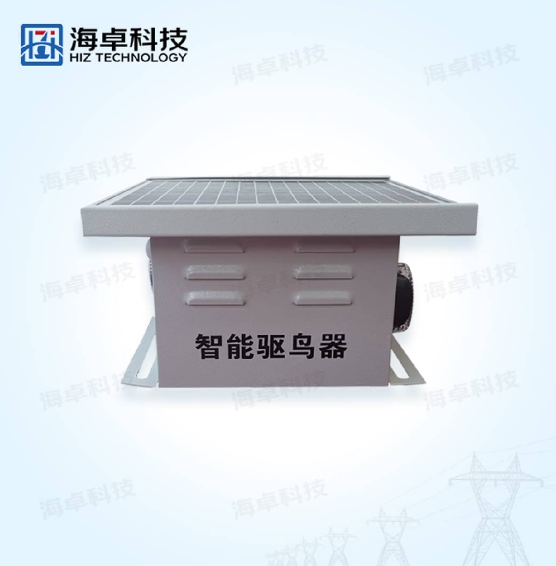
5. Use flexible repulsion methods, deploy sound and light bird repellent devices, using ultrasonic waves, LED cold light sources and non-harmful predator calls to break the adaptability of the birds and avoid harming protected animals. National Forestry and Grassland Administration.