When power equipment is in operation under power, it will produce sounds and vibrations with unique characteristics of the equipment. These sounds can precisely represent the operating status of the equipment. Compared with traditional monitoring methods, the acquisition of voiceprint signals does not require contact with the equipment (such as reactors), does not interfere with the normal operation of the equipment, and remains stable even in complex environments such as high voltage and strong electromagnetic fields, without being affected by external interference. Through electroacoustic instruments, these sounds can be accurately measured and analyzed. The characteristics of the equipment's operating status carried by them are called power equipment voiceprints.

Utilizing voiceprint characteristics for equipment monitoring involves comparing the actual voiceprint information of the inspected equipment with the normal voiceprint benchmark to accurately predict the working condition of the equipment. This method enables the early prediction and detection of faults, effectively avoiding abnormal power grid power outages caused by sudden failures of the main power equipment, reducing economic losses and safety hazards resulting from such incidents, and providing a reliable guarantee for the stable operation of the power system.
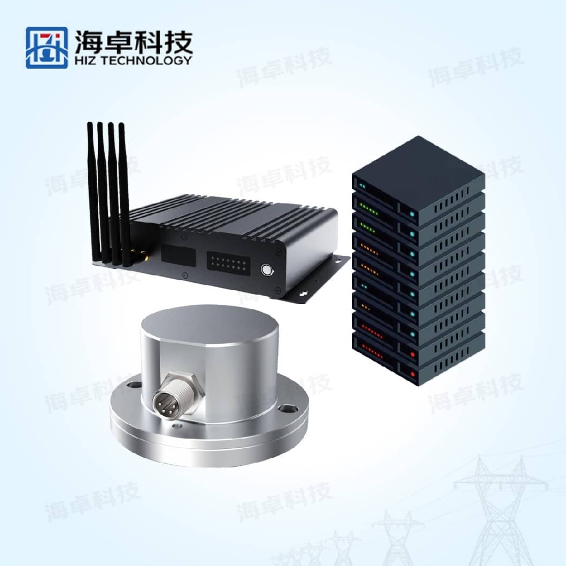
The HIZ-GE-HSW power equipment voiceprint recognition fault monitoring system developed by Guangxi Haozhu Technology can achieve real-time online monitoring of equipment. This system uses bone-conduction voiceprint sensors to efficiently collect voiceprint data during the equipment operation process, and has significant technical advantages: it is highly sensitive to early equipment hazards, can continuously optimize model parameters through adaptive modeling, and constantly approach the actual operating state of the equipment to accurately achieve early fault warning and autonomous judgment; when abnormal voiceprints of the equipment are detected, the system can issue graded alarms and promptly push the abnormal information to the maintenance personnel, enabling quick handling and reducing the impact of faults, and helping thermal power plants improve equipment operation efficiency and power supply stability.